Pièces d'estampage
Notin invites you to visit our factory to purchase the newest, best-selling, affordable, and high-quality Stamping Parts. We are looking forward to working with you.
What are stamping parts?
stamping parts are metal parts manufactured through a stamping process, using dies and presses to shear, bend, and stretch sheet metal (such as steel, aluminum, or copper) to form the desired shape. The core characteristics of this process are high efficiency and precision. Stamping can be categorized into two main types: separation processes (such as punching and blanking) and forming processes (such as drawing and flanging), to meet different structural requirements.
What are the main characteristics of stamping parts?
1. Compared to casting and forging, stamping parts are thinner, more uniform, lighter, and stronger. Stamping can produce workpieces with ribs, ribs, corrugations, or flanging that are difficult to create using other methods to increase rigidity.
2. Due to the use of dies, workpiece precision can reach micron levels, with high repeatability and consistent specifications, including punched holes and bosses. Cold stamped parts generally require no or minimal cutting.
3. The precision and surface finish of hot stamped parts are lower than those of cold stamped parts, but still superior to those of castings and forgings, requiring less cutting. 4. Using composite dies, particularly multi-station progressive dies, allows multiple stamping steps to be completed on a single press, achieving automated production from strip uncoiling, leveling, blanking, to forming and finishing.
5. High production efficiency, good working conditions, and low production costs enable the production of hundreds of pieces per minute. Stamping is primarily categorized by process into separating and forming.
6. The surface and internal properties of the stamped sheet material significantly impact the quality of the stamped product, requiring consistent thickness and uniformity of the stamped material.
7. The surface must be smooth, free of scars, scratches, or surface cracks, with uniform yield strength and no apparent directional variation; high uniform elongation; low yield strength; and low work hardening.
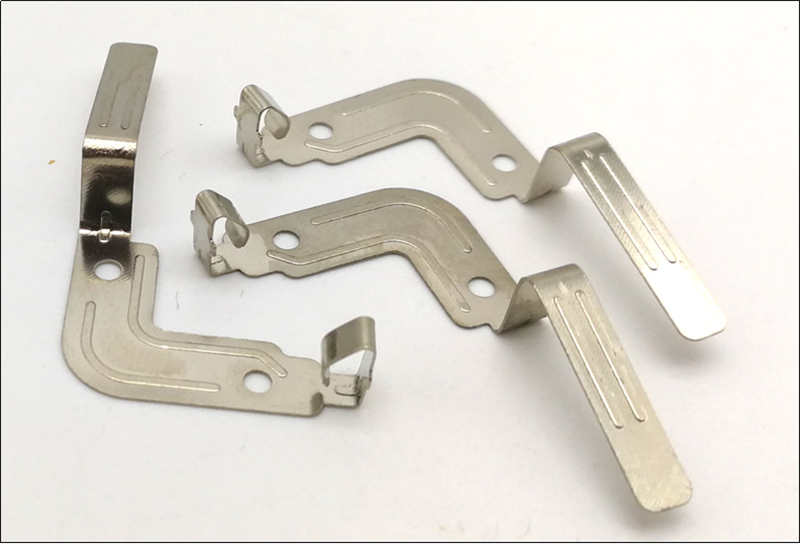
Metal Stamping Design Process
Metal stamping is a complex process that may include numerous metal forming steps—blank-cutting, punching, bending, and piercing, among others. Blanking: This process involves cutting the rough outline or shape of the product. This stage is focused on minimizing and avoiding burrs, which increase part cost and extend delivery time. This step is where you determine the hole diameter, geometry/taper, edge-to-hole spacing, and insert the first punch.
Bends: When designing bends in stamped metal parts, it's important to leave enough material—make sure to design your part and its blank so there's enough material to make the bend. Some important factors to keep in mind:
If the bend is too close to the hole, it may deform.
Notches, tabs, and notches should be designed with a width of at least 1.5 times the material thickness. Any smaller and they may become difficult to manufacture due to the forces exerted on the punch, causing them to break.
Each corner in the blank design should have a radius of at least half the material thickness.
To minimize the occurrence and severity of burrs, avoid sharp corners and complex cuts whenever possible. When these factors cannot be avoided, be sure to note the burr direction in the design so that it can be accounted for during stamping.
Coining: This action involves striking the edge of a stamped metal part to flatten or break burrs. This creates a smoother edge in the coined area of the part geometry. It can also add additional strength to localized areas of the part, which can avoid secondary operations such as deburring and grinding.
Produits
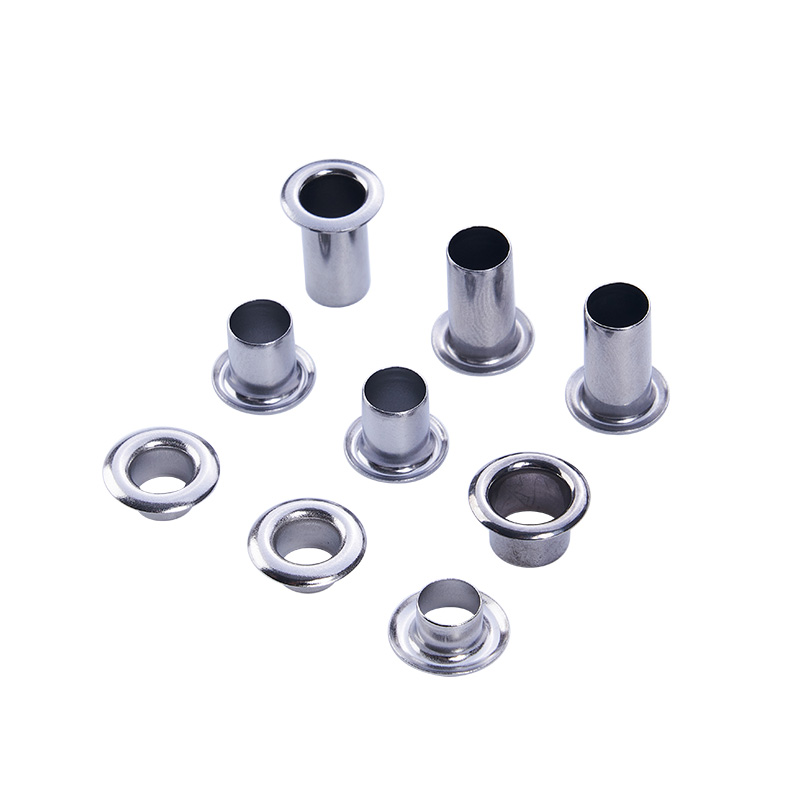
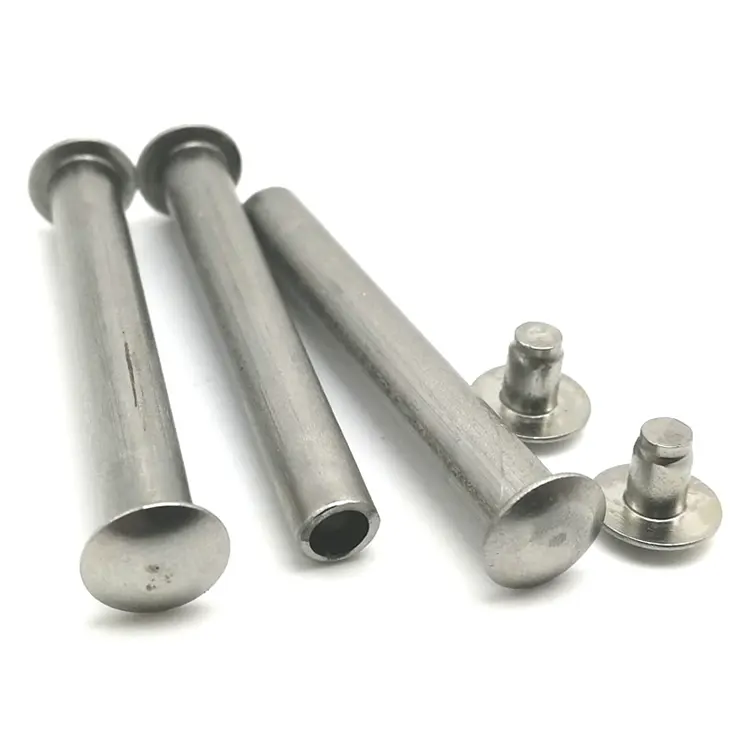
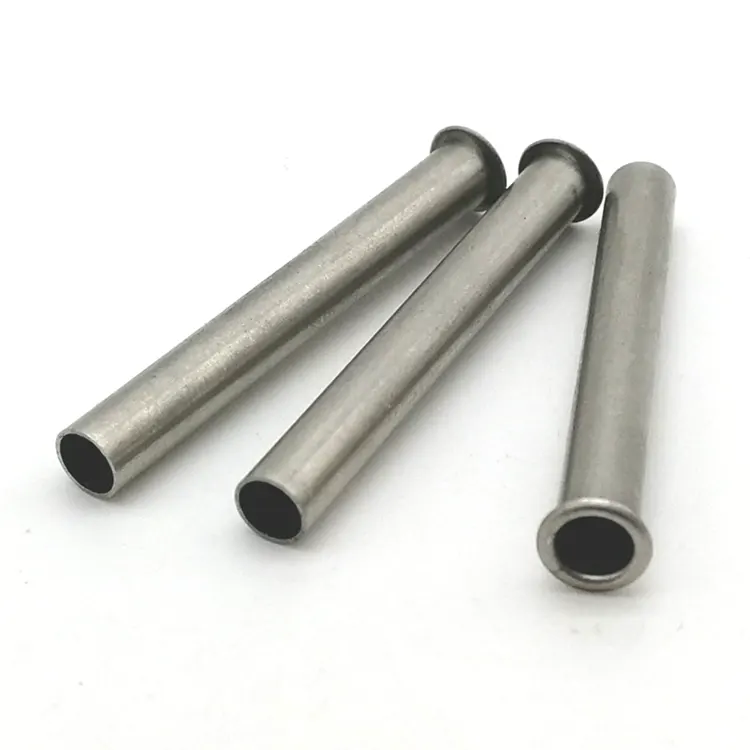
- View as
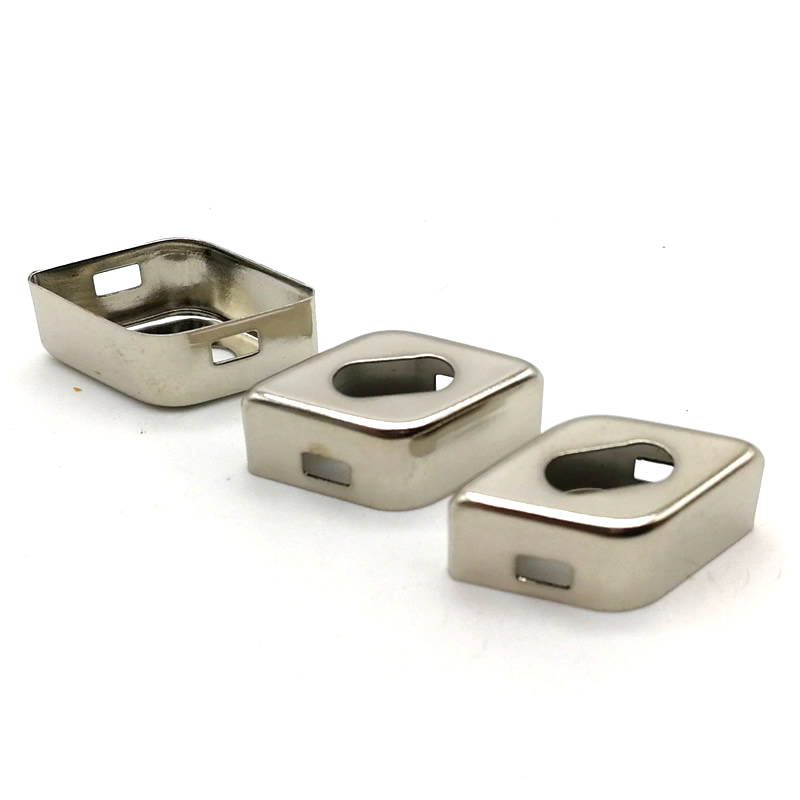
Composants métalliques estampés
Depuis notre usine chinoise, Nuote Metals produit des composants métalliques estampés sur mesure pour diverses industries : automobile, électroménager, électronique et quincaillerie. À l’aide de presses à grande vitesse et de matrices de précision, nous transformons l’acier, le laiton, l’aluminium ou l’acier inoxydable en pièces complexes, sans bavures et aux tolérances serrées. Que vous ayez besoin de supports, de clips, de bornes ou de châssis, notre processus d'estampage garantit la répétabilité et la rentabilité. Résolvez les incohérences d’approvisionnement et les dérives dimensionnelles avec des composants fiables livrés à temps. Faites-nous confiance pour une qualité qui assure le bon fonctionnement de votre chaîne de montage.
En savoir plusenvoyer une demande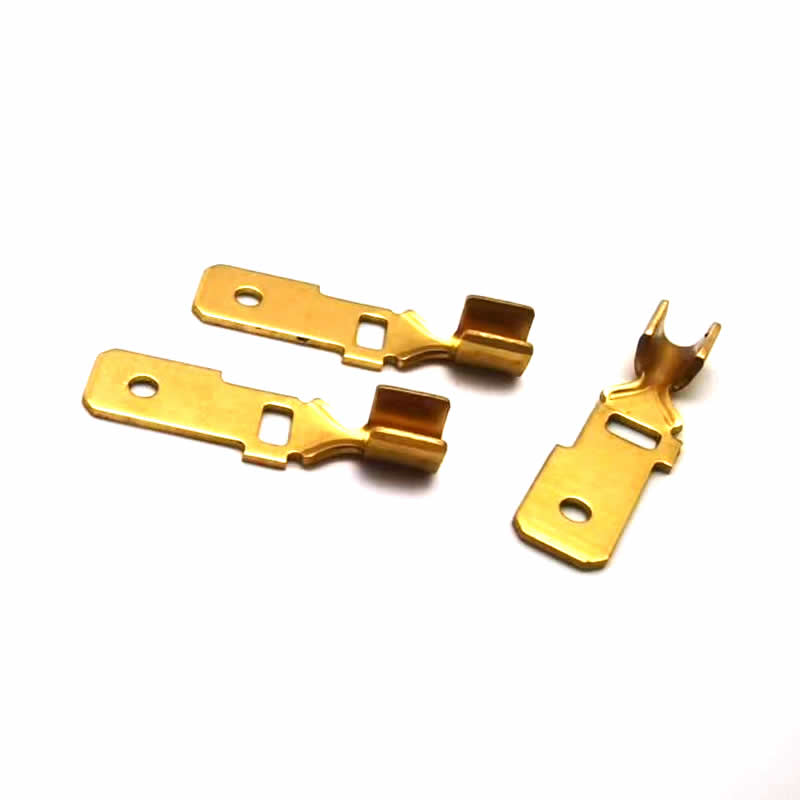
Estampage des métaux de haute précision
Vous recherchez une précision au micron ? Nuote Metals, une usine chinoise, propose des emboutissages métalliques personnalisés de haute précision pour les composants complexes des secteurs de l'automobile, de l'électronique et des dispositifs médicaux. Notre outillage avancé garantit des tolérances serrées et des bords sans bavures, éliminant ainsi les reprises et les rebuts. Que vous ayez besoin de formes complexes ou d'une cohérence de volume élevé, notre processus d'emboutissage garantit la répétabilité pièce après pièce. Résolvez les problèmes d'ajustement et l'usure prématurée grâce à un emboutissage métallique de précision. Faites-nous confiance pour une qualité qui réduit les coûts et augmente la fiabilité.
En savoir plusenvoyer une demande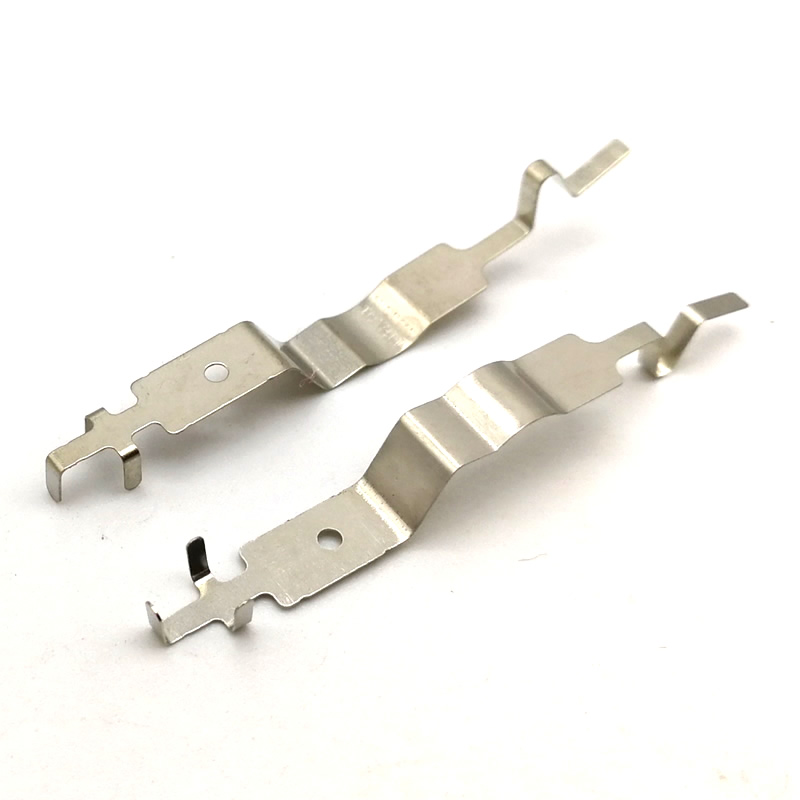
Estampage de petites pièces
Originaire de Chine, le fabricant Nuote Metals propose des petites pièces d'estampage personnalisées pour les appareils électroniques et médicaux. Les matrices de précision créent de minuscules composants avec des tolérances serrées. Résolvez les défis de miniaturisation de manière fiable. Faites confiance au fabricant pour la qualité dans les moindres détails.
En savoir plusenvoyer une demande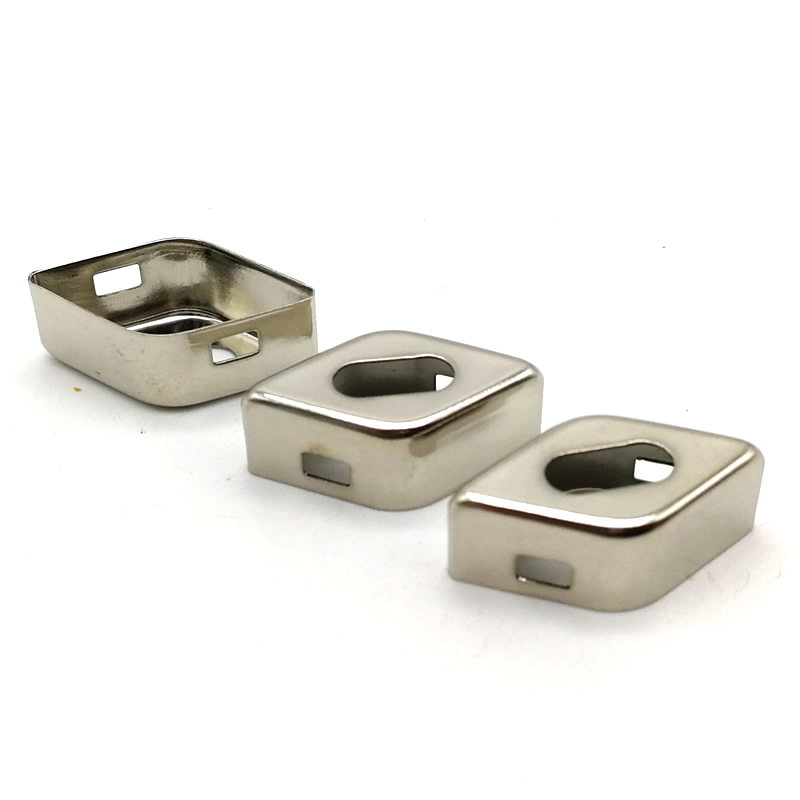
Pièces en acier embouti
Besoin de pièces robustes en acier embouti ? Nuote Metals, une usine chinoise, propose des composants en acier embouti sur mesure pour la machinerie lourde et la construction. Notre estampage à fort tonnage garantit une épaisseur et une résistance aux chocs constantes. Résolvez les faiblesses structurelles avec des pièces en acier conçues pour la résistance. Fiez-vous à l’usine pour une durabilité durable.
En savoir plusenvoyer une demande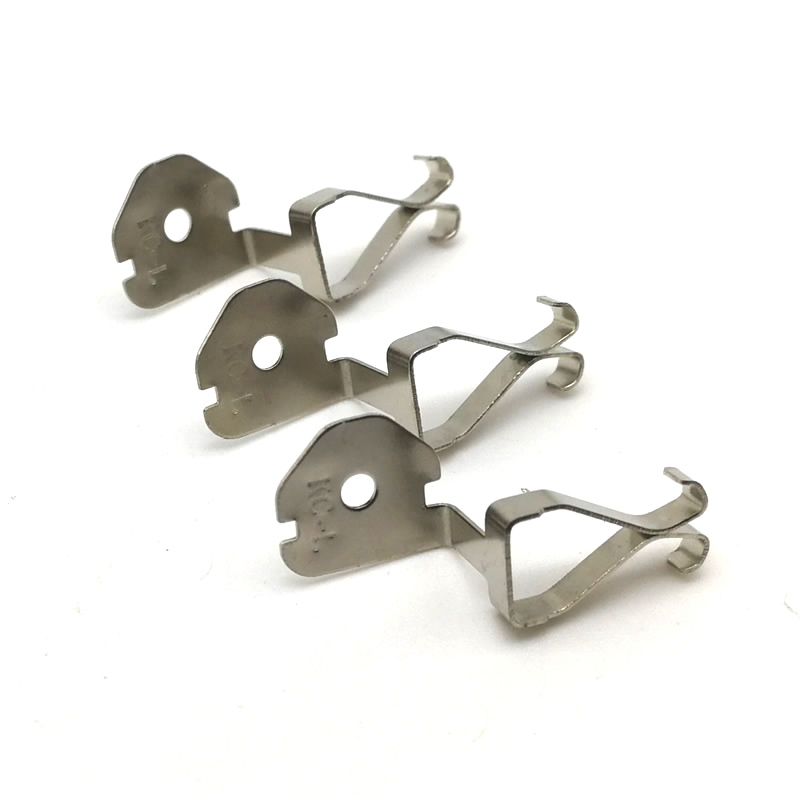
Pièces d'estampage en acier inoxydable
Vous recherchez des pièces d’estampage durables en acier inoxydable ? Nuote Metals, une usine chinoise, propose des solutions personnalisées pour les dispositifs automobiles et médicaux. Notre estampage de précision offre une résistance antirouille et des ajustements précis. Résolvez les problèmes de corrosion et d’usure avec des pièces conçues pour durer. Faites confiance à l'usine pour une qualité performante.
En savoir plusenvoyer une demande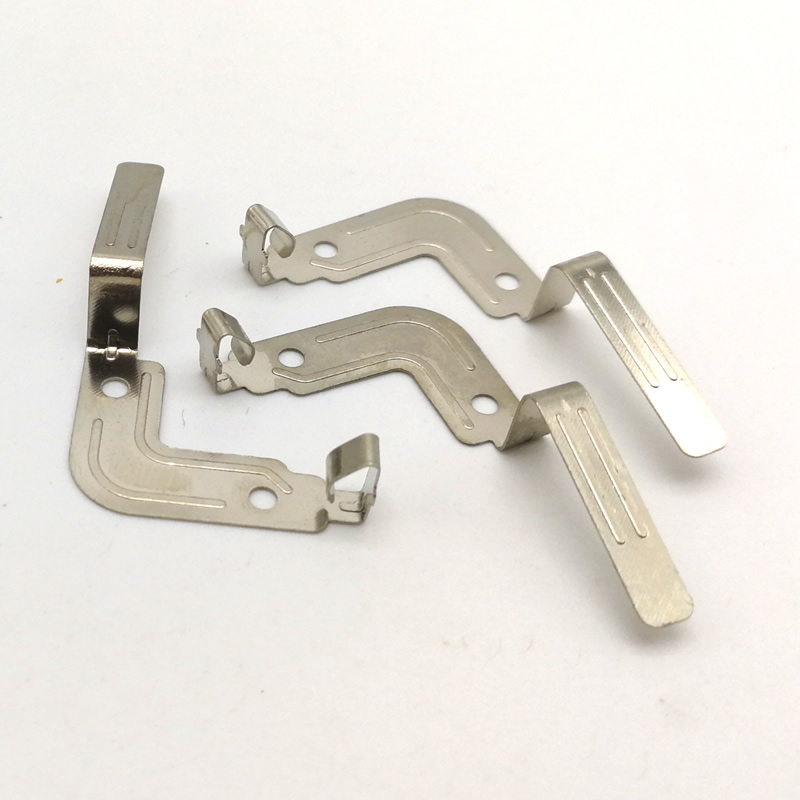
Estampage à grande vitesse
Depuis notre usine chinoise, Nuote Metals propose un estampage personnalisé à grande vitesse pour les pièces de précision. Ce processus garantit une production rapide et des tolérances serrées, réduisant ainsi les coûts des commandes automobiles et électroniques. Comptez sur nous pour une production efficace qui fait avancer votre projet.
En savoir plusenvoyer une demandeSome important factors to keep in mind:
Plasticity and Grain Direction – Plasticity is a measure of the permanent deformation a material undergoes when subjected to stress. Metals with greater plasticity are more susceptible to forming. Grain direction is important in high-strength materials, such as tempered metals and stainless steel. If bending occurs along a high-strength grain, cracking is more likely.
Bending Deformation/Expansion: Bending deformation causes expansion of up to 1/3 of the material thickness. This deformation/expansion becomes more severe as the material thickness increases and the bend radius decreases. Web and "mismatch" cutting: This involves making very slight indentations or protrusions in the part, typically about 0.1mm deep. This feature is not required when using composite or transfer tools, but it is essential when using progressive dies.
Advantages and Limitations of Stamping
Advantages:
- Low cost: In mass production, the cost per part can be reduced to one-third of that of a cast part;
- High consistency: Dimensional tolerances can be controlled within ±0.1mm;
- High material utilization: Through nesting optimization, the utilization rate can reach over 85%.
Limitations:
- Long mold development cycle and high initial investment, making it unsuitable for large-scale production;
- Complex three-dimensional structures (such as hollow crankshafts) require integration with other processes.
Core Application Areas of Stamping Parts
1. Automotive Industry: Accounts for over 60% of total stamping part demand, including body panels and chassis components;
2. Electronics and Electrical: For example, metal mobile phone frames and heat sinks, thicknesses can be as thin as 0.2mm;
3. Home Appliance Industry: Refrigerator panels, air conditioner housings, etc., where surface aesthetics can be enhanced through electroplating or spraying.



X
Nous utilisons des cookies pour vous offrir une meilleure expérience de navigation, analyser le trafic du site et personnaliser le contenu. En utilisant ce site, vous acceptez notre utilisation des cookies.
politique de confidentialité