
Rivets spéciaux
Produits
- View as
Rivets à tête fraisée en fer
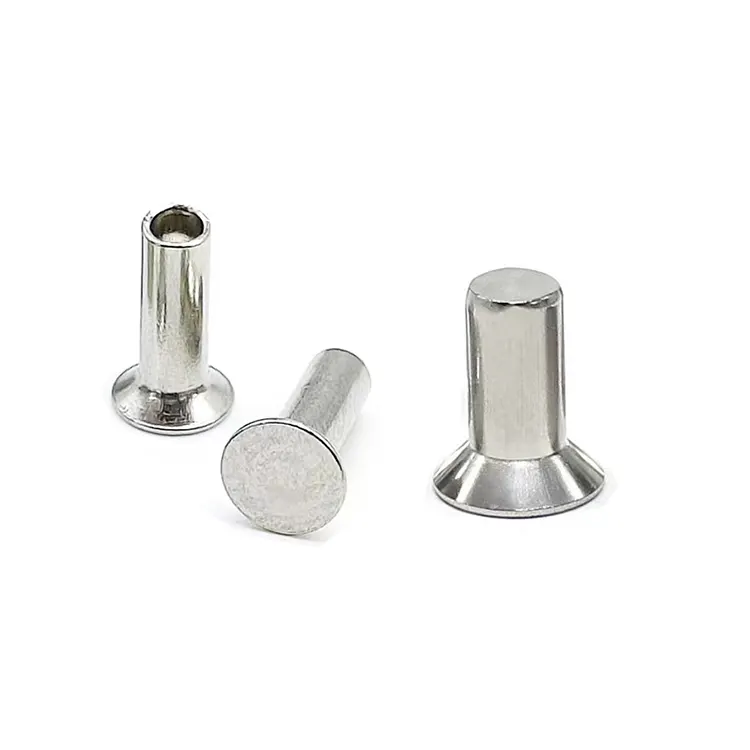
La tête des rivets à tête fraisée en fer a la forme d'un cône tronqué, le cône étant généralement incliné à 90° ou 120° par rapport à l'axe du rivet. Cette forme permet à la tête du rivet d'affleurer la surface du composant connecté après l'installation, ce qui donne un aspect lisse. Ceci est particulièrement adapté aux applications où la planéité de la surface est critique. Venez chez Nuote Metals pour personnaliser le rivet à tête fraisée en fer de votre choix. Nos ingénieurs, avec plus de 10 ans d’expérience, connaissent parfaitement la production de différents types de rivets.
En savoir plusenvoyer une demande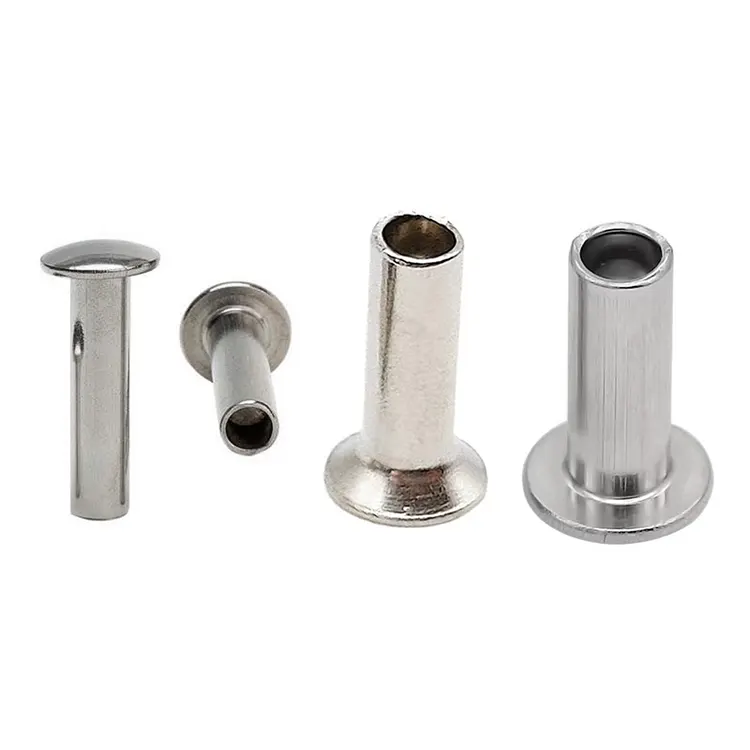
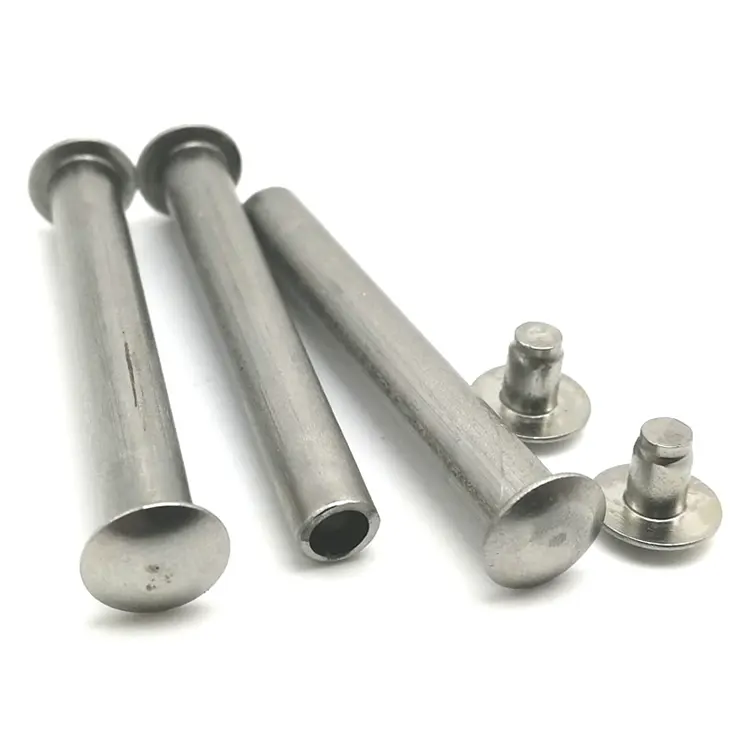
Rivets demi-tubulaires
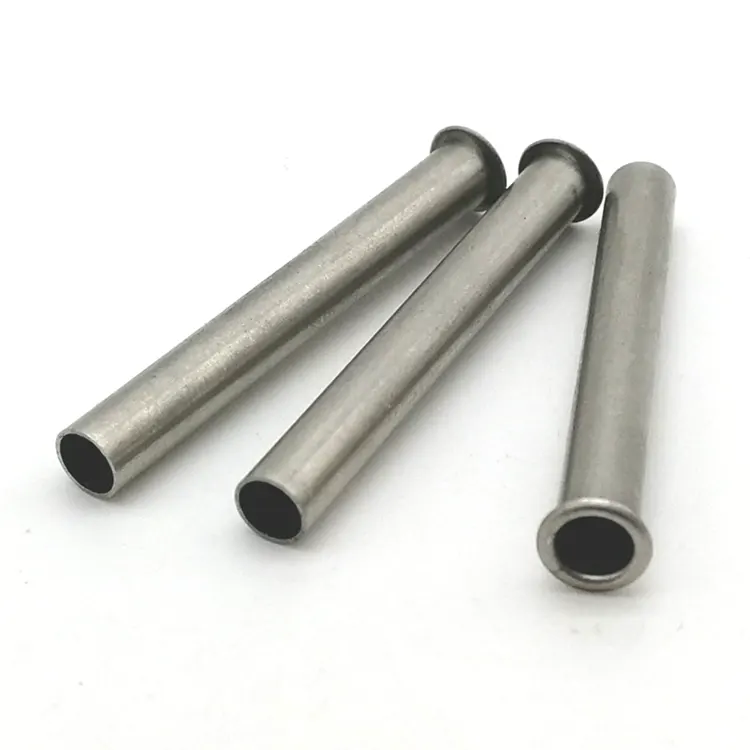
Nuote Metals est un fabricant chinois de rivets demi-tubulaires – l'alternative conviviale aux rivets pleins qui réduit la force de pose jusqu'à 70 % tout en conservant 80 à 90 % de la résistance des rivets solides. Disponible en diamètres de tige de 1,5 à 8,0 mm, cinq familles de matériaux, plusieurs styles de tête et longueurs personnalisées. Qualité certifiée ISO, traçabilité complète et échantillons gratuits disponibles – contactez-nous pour commencer.
En savoir plusenvoyer une demande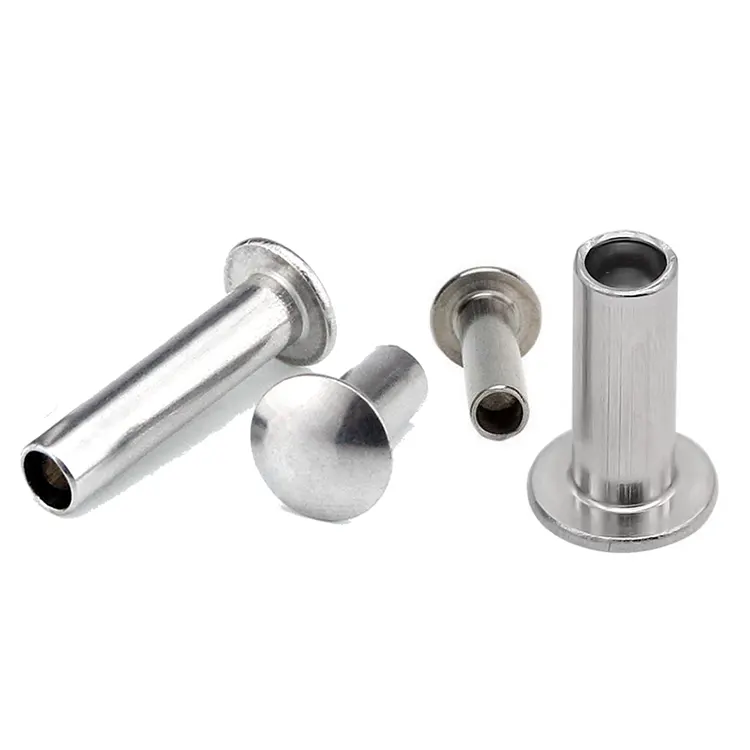
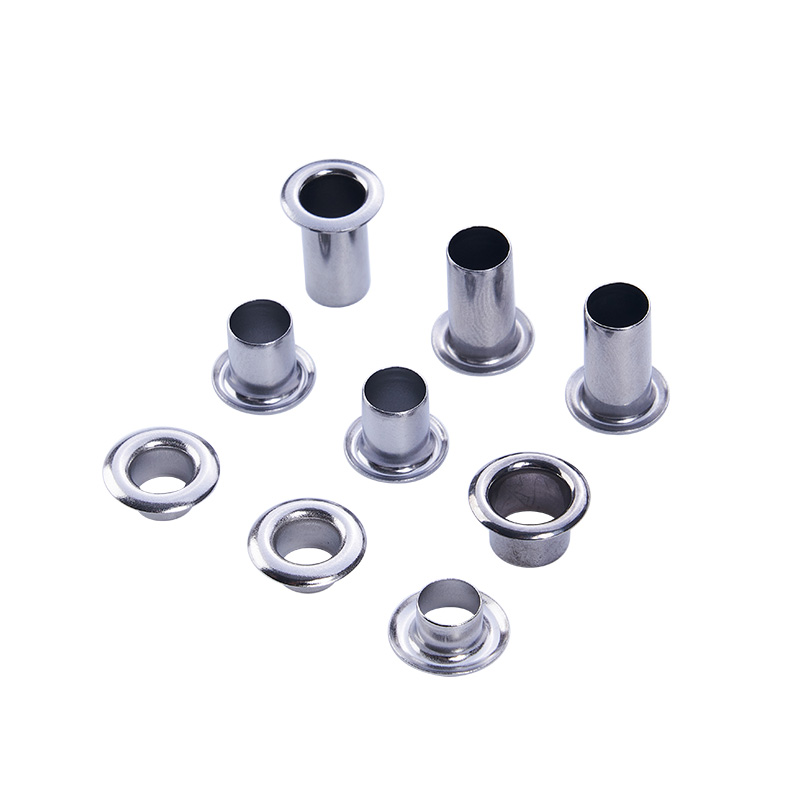
Rivets demi-creux
Nuote Metals est situé à Dongguan, en Chine, nous sommes spécialisés dans la production d'une variété de rivets, notamment des rivets pleins, des rivets semi-tubulaires et des rivets tubulaires complets. Les rivets demi-creux sont une fixation industrielle courante, dotés d'une structure à âme creuse avec une tête et une tige semi-fermées. Cette conception leur permet de combiner légèreté et haute résistance, ce qui les rend largement utilisés dans les applications nécessitant un rivetage efficace. Par rapport aux rivets pleins, les rivets demi-creux réduisent le poids en utilisant moins de matériau, tout en exploitant la déformation plastique lors du rivetage pour obtenir une connexion sécurisée, ce qui les rend particulièrement adaptés aux applications sensibles au poids.
En savoir plusenvoyer une demande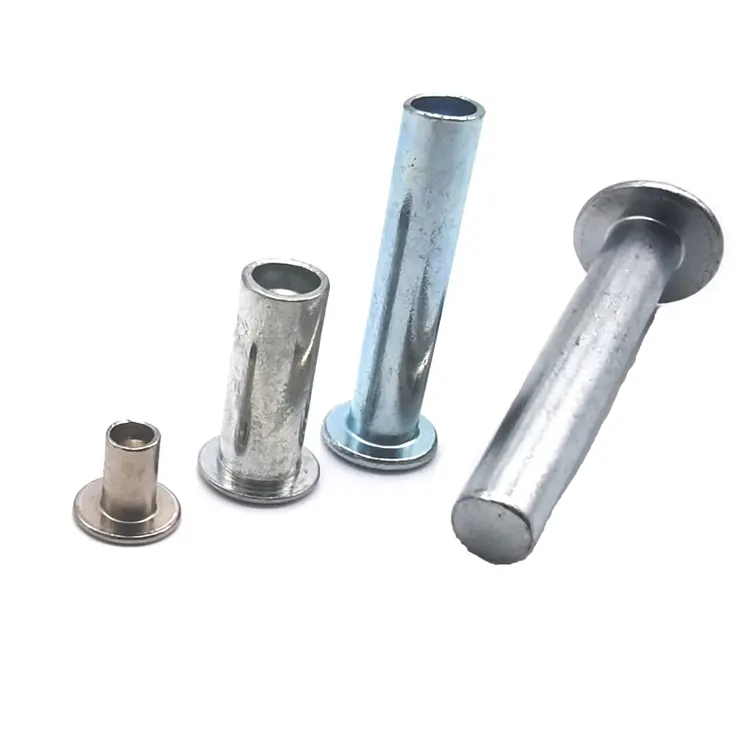
Rivets à tête plate
Nuote Metals se spécialise dans la fabrication de rivets, produisant une variété de matériaux tels que l'acier inoxydable, le laiton, l'aluminium, l'acier au carbone et le cuivre. Les rivets sont des éléments de fixation couramment utilisés dans diverses structures et assemblages, tant dans la fabrication industrielle que dans la vie quotidienne. Les rivets à tête plate sont le produit de choix pour de nombreuses industries en raison de leurs performances et de leur adaptabilité uniques.
En savoir plusenvoyer une demande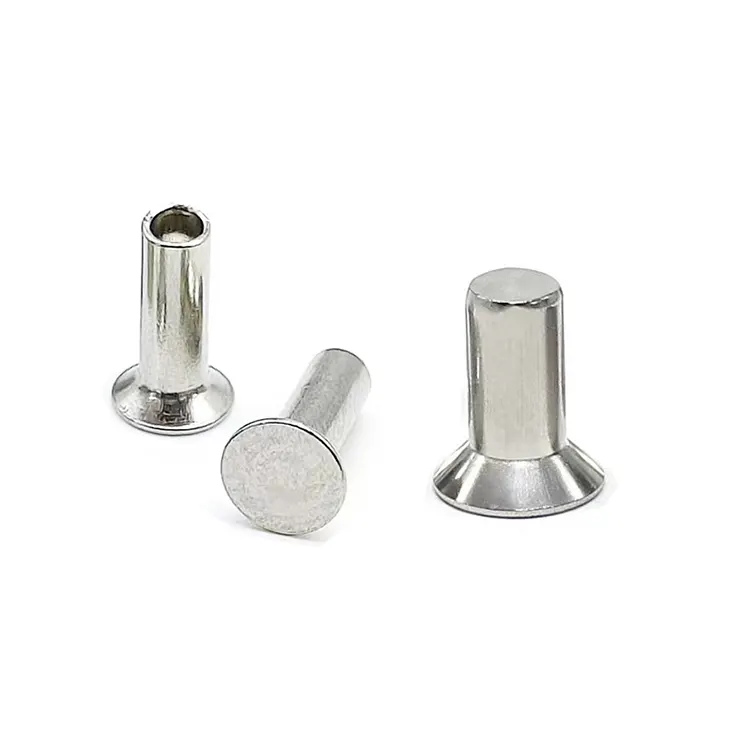
Rivets à tête fraisée
Nuote Metals fabrique des rivets à tête fraisée dans des modèles solides, semi-tubulaires et entièrement tubulaires, dotés d'une tête conique qui affleure complètement la surface du matériau. Disponible avec des angles de tête de 90° et 100°, des diamètres de tige de 1,5 à 8,0 mm, cinq familles de matériaux et des longueurs personnalisées. Qualité certifiée ISO, traçabilité complète et échantillons gratuits disponibles – contactez-nous pour commencer.
En savoir plusenvoyer une demande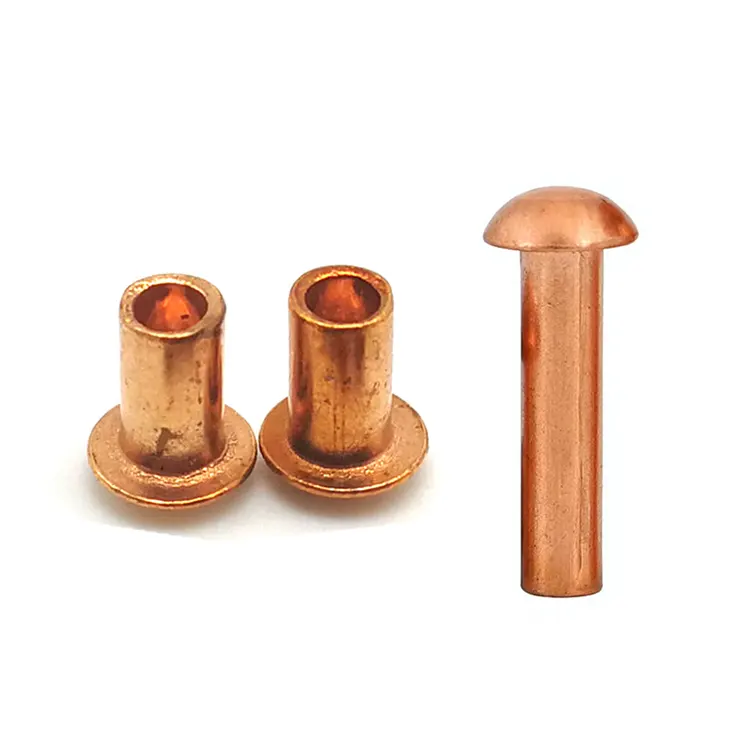
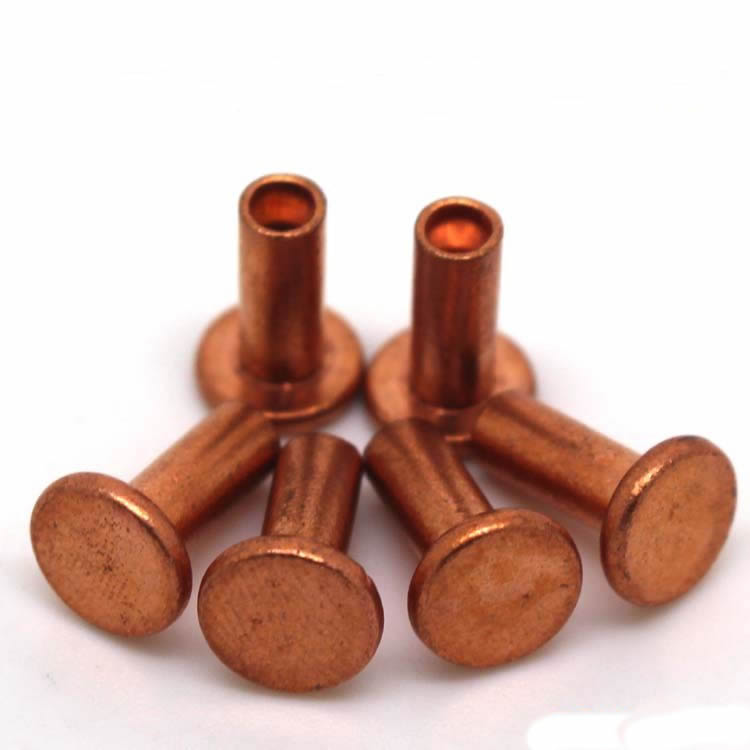
Rivets à tête ronde en cuivre
Les rivets à tête ronde en cuivre sont un type de fixation largement utilisé dans la fabrication industrielle, la fabrication de meubles et d'autres domaines. Le cuivre, également connu sous le nom de cuivre sans oxygène, est un alliage de cuivre de haute pureté caractérisé par une excellente conductivité électrique et thermique, ainsi qu'une bonne résistance à la corrosion et une bonne ductilité. Ces propriétés garantissent que les rivets à tête ronde en cuivre maintiennent des performances stables dans divers environnements, prolongeant ainsi leur durée de vie. De plus, le cuivre possède certaines propriétés antibactériennes, qui peuvent réduire le risque de croissance bactérienne dans les produits qui entrent fréquemment en contact avec le corps humain.
En savoir plusenvoyer une demandeProcessus de fabrication de rivets spéciaux
La fabrication de Rivets spéciaux implique de multiples maillons, dont principalement :
1.Sélection des matériaux :Sélectionnez des matériaux métalliques ou en alliage appropriés en fonction de l'environnement d'utilisation.
2.Frappe à froid ou frappe à chaud :Utilisez un traitement sous pression pour former la forme de base du rivet dans le flan métallique.
3.Tournage ou fraisage :Traitez finement les détails tels que la tête et la tige du rivet pour garantir la précision dimensionnelle.
4.Traitement de surface :Tels que la galvanisation, le nickelage, l'anodisation, etc. pour améliorer la résistance à la corrosion ou l'esthétique.
Avantages et limites des rivets spéciaux
(1) Avantages : ils peuvent répondre à des besoins particuliers, améliorer l'efficacité de l'assemblage et la fiabilité des connexions, et conviennent aux scénarios d'application complexes ou à forte demande.
(2) Limites : puisqu'il s'agit de produits personnalisés, le coût de production est élevé, le cycle de livraison est relativement long et les clients doivent fournir des paramètres techniques détaillés.
Comment choisir des rivets spéciaux adaptés ?
(1)Clarifier les besoins :Déterminez les paramètres clés tels que l'environnement de fonctionnement du rivet, les conditions de contrainte et les exigences de résistance à la corrosion.
(2)Correspondance des matériaux :Sélectionnez le matériau approprié en fonction des besoins réels pour éviter une conception excessive qui entraîne une augmentation des coûts.
(3)Communiquer avec les fournisseurs :Fournir des dessins techniques détaillés ou des échantillons pour garantir que les rivets spéciaux produits répondent aux attentes.
Quelles sont les principales applications des rivets spéciaux ?
(1)Aérospatial: Les avions, fusées et autres équipements ont des exigences extrêmement élevées en matière de poids, de solidité et de résistance aux températures élevées des fixations. Les rivets spéciaux peuvent être optimisés en fonction des besoins spécifiques.
(2)Fabrication automobile :Certains modèles spéciaux ou véhicules hautes performances peuvent nécessiter des rivets spéciaux pour répondre aux besoins de connexions légères ou à haute résistance.
(3)Équipement électronique :Les instruments de précision ou les petits équipements électroniques peuvent nécessiter des micro rivets spéciaux pour assurer la stabilité et la compacité de la connexion.
(4)Industrie du bâtiment :Certains bâtiments à structure spéciale ou projets de décoration peuvent utiliser des rivets spéciaux pour répondre à des exigences d'installation spécifiques.
Situation du marché des rivets spéciaux
Avec les progrès de la technologie industrielle, de plus en plus d’industries ont commencé à utiliser des rivets spéciaux pour optimiser la conception des produits. À l'heure actuelle, les fabricants de rivets spéciaux sont principalement concentrés dans les régions du delta du fleuve Yangtze et du delta de la rivière des Perles en Chine et peuvent fournir une variété de services personnalisés. En raison du prix unitaire élevé des rivets spéciaux, la taille de son marché est relativement petite, mais la demande dans le domaine de la fabrication haut de gamme continue de croître.
Tendances de développement futures
(1)Conception légère: Avec l'amélioration des exigences en matière d'économie d'énergie et de protection de l'environnement, les rivets spéciaux fabriqués à partir de matériaux légers seront plus populaires.
(2)Production intelligente: L'équipement automatisé et la gestion numérique amélioreront encore l'efficacité de la production et la stabilité de la qualité des rivets spéciaux.
(3)Application plus large: Les industries émergentes telles que les nouvelles énergies et la robotique pourraient stimuler la croissance de la demande de rivets spéciaux.
En résumé, les rivets spéciaux sont des fixations hautement personnalisées qui peuvent répondre à des besoins particuliers que les rivets standards ne peuvent pas satisfaire. Bien que son coût de production soit relativement élevé, il joue un rôle irremplaçable dans des industries telles que l’aérospatiale, l’automobile et l’électronique. À l'avenir, avec les progrès de la technologie de fabrication, le champ d'application des rivets spéciaux devrait encore s'élargir.



X
Nous utilisons des cookies pour vous offrir une meilleure expérience de navigation, analyser le trafic du site et personnaliser le contenu. En utilisant ce site, vous acceptez notre utilisation des cookies.
politique de confidentialité